Ballingdon estate garden waste and rubbish collection advice
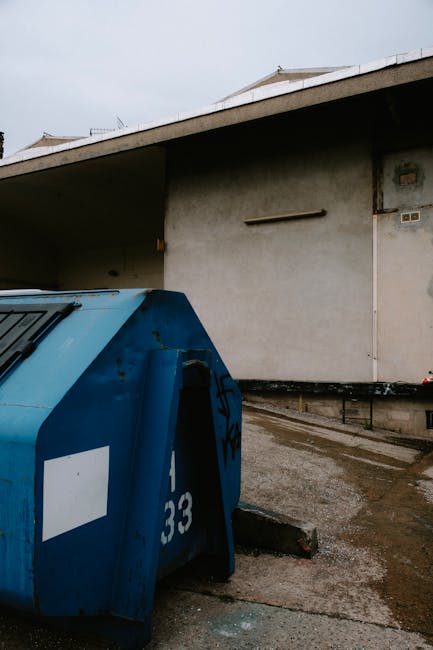
If your garden has got a little out of hand, you are not alone. After a weekend of pruning, hedge trimming, potting, and one or two "I'll deal with that later" moments, it does not take long for the pile to grow. This guide to Ballingdon estate garden waste and rubbish collection advice is here to make the whole process feel simpler, safer, and far less annoying than it probably looks right now.
Whether you are clearing a small back garden, a shared outdoor space, or a bigger estate plot, the same basics apply: sort the waste properly, keep recyclable material separate where you can, avoid mixing in items that need special handling, and choose a collection method that suits the amount you have. Sounds straightforward. In practice, it can get messy fast. A branch here, a broken planter there, and suddenly you are staring at a mixed heap that needs a bit of judgement.
This article walks through what to do, what to avoid, and how to plan a collection without turning a tidy-up into a second job. It also covers practical considerations like compliance, loading, timing, and whether a larger clearance service may be the smarter option. If you want a broader waste reference point while planning, the main waste removal page and the company's recycling and sustainability information are useful places to start.
- Why it matters
- How it works
- Key benefits and practical advantages
- Who this is for and when it makes sense
- Step-by-step guidance
- Expert tips for better results
- Common mistakes to avoid
- Tools, resources and recommendations
- Law, compliance, standards or best practice
- Options and comparison table
- Case study or real-world example
- Practical checklist
- Conclusion
- Frequently asked questions
Why Ballingdon estate garden waste and rubbish collection advice Matters
Garden waste looks harmless when it is still growing. The trouble starts once it is cut, bagged, stacked, or left in a corner "for now". On Ballingdon estate, as in most residential areas, the real issue is not just volume. It is the mix of material. You might have grass cuttings, woody branches, soil, old plant pots, damaged garden furniture, and the odd bit of household rubbish all in one place. That mix affects how easily it can be collected and what can be recycled.
Good advice matters because it helps you avoid wasted trips, unnecessary double-handling, and that slightly grim moment when a small pile has turned into a damp, heavy mess after a night of rain. Anyone who has dragged soggy hedge clippings across a driveway will know exactly what I mean. Garden waste collection is usually easiest when you prepare it in a practical way before anyone arrives.
It also matters for neighbours and shared access. Estate properties often have tighter parking, narrower paths, or shared entrances. If bags are left out the wrong way, they can get in the way fast. The cleaner the setup, the smoother the collection. Simple, really - but easy to overlook when you are busy.
Finally, it matters for the environment. Green waste, clean wood, and recyclable garden material are often best handled separately from general rubbish. A bit of sorting up front can make the end result better all round, and if you are working on a larger clearance, a planned approach usually saves time and stress.
How Ballingdon estate garden waste and rubbish collection advice Works
The basic process is quite practical. First, you identify what you have. Then you separate what can be recycled or composted from what must go as general rubbish. After that, you decide whether it is a small collection, a mixed waste collection, or a more substantial garden clearance. The right route depends on weight, access, and how mixed the pile is.
For a tidy garden-only job, the collection may be straightforward: cuttings in bags, branches bundled neatly, and any lightweight debris kept together. For a bigger job, especially after landscaping, renovation, or a long-overdue clear-out, the waste may include heavier or awkward items like broken sleepers, old fencing, cracked slabs, or rusted metal frames. In those cases, a broader clearance approach is often better than treating everything as green waste.
If you are unsure where your garden items sit in the hierarchy of "easy" to "please, no", the page on what can go in a skip can help you think through common materials. And if the job is not limited to the garden, garden clearance may be the more appropriate service route.
The collection itself usually works best when the access route is clear and the pile is grouped logically. Keep bulky waste separate from light green waste. Put sharp or splintered pieces somewhere safe. If there are items with soil still attached, remember that heavily contaminated material may not be handled in the same way as clean green waste. That is where a little judgement helps a lot.
Key Benefits and Practical Advantages
The obvious benefit is getting your outdoor space back. A garden full of waste looks tired and feels much less usable. Clearing it properly makes the whole area more inviting, and you notice the difference straight away. You can see the borders again. You can hear the birds again. The space starts feeling like yours instead of a holding bay for cuttings.
There are a few practical wins too:
- Less handling - sorting waste before collection means fewer trips and less lifting.
- Better recycling potential - cleaner separation often improves what can be recovered.
- Safer clearances - tidy stacking reduces trip hazards and sharp-edge risks.
- Faster turnaround - a prepared load is quicker to collect and clear.
- Reduced disruption - important where parking, gates, or shared paths are involved.
There is also a cost-side benefit. A well-organised job is usually easier to quote accurately because the waste type and volume are clearer. That avoids the awkward "oh, there was more than expected" conversation. Nobody enjoys that. Not the customer, not the collector, not the dog watching from the patio, frankly.
For mixed household and garden projects, it can be worth considering whether the waste overlaps with other services. If a garage, loft, or spare room has also become a storage zone for broken planters, old cushions, or leftover renovation material, the related pages on garage clearance, loft clearance, or home clearance may be relevant depending on what you are dealing with.
Who This Is For and When It Makes Sense
This kind of advice is useful for all sorts of people on Ballingdon estate. Homeowners with overgrown borders. Landlords getting a garden ready between tenancies. Families doing a spring clean after a few wet months. Older residents who want the job handled safely without lugging bags themselves. And, to be fair, anyone who has realised that a wheelie bin and a bit of optimism are not enough for a proper garden clear-up.
It makes the most sense when the waste is too much for normal household disposal, when items are awkward to move, or when you need the garden restored quickly rather than slowly over several weeks. It can also make sense if the garden waste is mixed with other rubbish and you want one coordinated collection instead of multiple small trips. That is often where people save the most time.
Typical situations include:
- after hedge trimming or tree pruning
- following a landscaping project
- after storm damage or fallen branches
- when a shed or outdoor storage area has overflowed
- before moving house or preparing a property for sale
- when you want to reclaim a patio, path, or side return quickly
If your outdoor work is part of a wider property refresh, you may also benefit from looking at house clearance or flat clearance if indoor clutter is part of the same project. It is surprising how often one job spills into another. Once you start, you start.
Step-by-Step Guidance
Here is a simple way to tackle the job without getting tangled up in it.
- Walk the site first. Look at what you have before lifting anything. Notice the access points, the damp patches, the thorny bits, the heavy items, and whether anything is hidden under foliage.
- Separate the waste. Group green waste, woody material, soil, broken garden items, and general rubbish. If something is contaminated or potentially hazardous, set it aside.
- Remove obvious hazards. Pull out broken glass, sharp metal, exposed nails, or splintered timber first. This is the bit people often rush, and then regret it later.
- Bag or bundle by type. Light cuttings can go in bags. Branches are easier when tied into manageable bundles. Avoid overfilling bags so they do not split halfway to the collection point.
- Keep access clear. Make sure gates open properly, paths are passable, and nothing blocks the route out. If a crew has to step over things, the job slows down.
- Check for special items. Old paint tins, treated timber, chemicals, gas bottles, electricals, and certain broken tools may need separate handling. Do not throw them in with ordinary green waste.
- Decide on the collection method. Small tidy loads may suit a basic collection. Mixed or heavy loads may call for a broader service. If in doubt, choose the option that fits the real pile, not the pile you wish it were.
- Book with clear information. Give a plain description of the waste, access, and approximate volume. If there is a tight driveway or no direct parking, say so early.
A tiny but useful habit: take a quick photo before booking. It helps you describe the job properly and avoids misunderstandings. Nothing fancy, just a couple of pictures in daylight. That one minute can save a lot of back-and-forth.
Expert Tips for Better Results
First, dry waste is easier than wet waste. That sounds obvious, but it is worth saying because garden waste becomes much heavier after rain. If you can wait for a dry spell, even a short one, do it. A pile that looks manageable at 8am can feel twice its size by lunchtime if the weather turns.
Second, think in layers. Put soft waste with soft waste, woody waste with woody waste, and keep rubbish separate. A cleaner load is easier to lift, easier to process, and usually less frustrating for everyone involved. It also helps if you are planning to use a service such as book online because you can describe the load more accurately.
Third, do not underestimate soil. Small amounts may not seem like much, but once mixed through roots and clumps of grass, it adds serious weight. Soil is one of those sneaky little things that looks polite and then ruins your day. If there is a lot of it, mention it clearly.
Fourth, if you are clearing dense shrubs, rose clippings, or thorny material, use tougher bags or wrap bundles carefully. You do not want a split bag dragging along the pavement like a leaking teabag. Been there? Maybe. Not fun.
Finally, leave a little breathing room in your schedule. A rushed garden collection tends to create missed items and poor sorting. A calm half-hour of prep often saves an hour later.
Common Mistakes to Avoid
One of the most common mistakes is treating everything as one pile. It feels efficient at first, but mixed loads are harder to manage and can create complications if some items need special handling. Another common error is overfilling bags. Heavy, bulging sacks split at the worst possible moment, usually just as you have stepped onto the cleanest bit of paving.
People also leave access planning too late. If the route from the back garden to the street is tight, uneven, or shared, you need to know that before collection day. Gates can stick. Paths can be slippery. A simple pre-check avoids awkward delays.
Other mistakes to watch for:
- mixing garden waste with general household rubbish
- including hazardous items without warning
- leaving waste where it blocks neighbours or communal spaces
- failing to mention soil, rubble, or heavy timber
- assuming all green material is automatically recyclable in the same way
And yes, people sometimes forget hidden waste. Old compost bags tucked behind a shed. Broken edging buried under brambles. Half a fence panel under a stack of pots. It happens. The trick is to do a second walk-through before the collection is booked, not after.
Tools, Resources and Recommendations
You do not need specialist equipment for every job, but a few basic tools make a big difference. Sturdy gloves are the obvious one. A garden fork, rake, loppers, secateurs, dustpan and brush, strong rubble sacks, and tie-wraps or garden twine can all help keep the load tidy. A tarp is handy too, especially if you want to drag lighter debris to one place without leaving bits behind.
For planning, a simple notebook or phone note is enough. Write down the waste types, roughly how many bags you have, and whether there are any awkward items. If the pile includes mixed household material as well as garden waste, the service pages for furniture disposal or furniture clearance may be helpful if any outdoor furniture is being removed at the same time.
If you are trying to compare options, the company's pricing and quotes page can help you think in terms of scope rather than guesswork. And for questions about handling waste responsibly, the recycling and sustainability page is a sensible reference point.
When the job is bigger than expected - which, truth be told, is common - it may be worth considering a broader collection rather than trying to piece it together over several weekends. If you have mixed rubble, timber, and outdoor waste from a refurbishment, the builders waste clearance page may be useful too.
Law, Compliance, Standards, or Best Practice
For garden waste and rubbish collection, the safest approach is to follow general UK waste best practice: separate waste properly, avoid fly-tipping, and make sure waste is handed to a legitimate collector or disposal route. If you are using a professional collection service, it is sensible to ask how the waste is handled and whether recyclable material is kept separate where possible.
There is also a duty of care element in everyday terms: you should not hand your waste to someone who cannot clearly explain where it will go. That is especially important if the waste is mixed, bulky, or contains items that could be hazardous. If something contains chemicals, oils, batteries, or other special materials, it should be identified clearly rather than hidden in a garden pile. That is just good practice, and a lot less hassle in the long run.
For estate settings, it is also worth thinking about neighbours, shared paths, parking bays, and any local property rules. Keep loads contained, avoid scattering debris, and do not leave waste out for longer than needed. A tidy collection area is not just courteous; it reduces the chance of complaints and accidents.
If you are unsure whether an item is suitable for standard collection, err on the cautious side. Better to ask first than to deal with a rejected load later. That little pause can save a lot of noise, smell, and confusion.
Options, Methods, or Comparison Table
Different clear-up jobs call for different methods. The right choice depends on volume, access, waste type, and how quickly you want the garden back in use.
| Method | Best for | Advantages | Watch-outs |
|---|---|---|---|
| DIY bagging and local disposal | Very small amounts of clean green waste | Low cost, simple for light jobs | Time-consuming, limited for bulky or mixed waste |
| Skip-style approach | Large, ongoing garden projects with steady waste generation | Good capacity, useful over several days | Needs space, loading discipline, and clear item planning |
| One-off collection service | Mixed or awkward loads, fast clear-outs, estate access issues | Quick, convenient, reduced lifting | Requires accurate description of the waste |
| Full garden clearance | Overgrown gardens, post-renovation clean-ups, heavy mixed material | Best for major tidy-ups, less stress overall | Needs proper sorting and clear scope from the start |
If you are not sure which route fits, ask yourself one question: is this a tidy little green-waste job, or is it a real mixed clearance? That answer usually tells you enough. If you still cannot tell, that is normal too.
Case Study or Real-World Example
Imagine a Ballingdon estate household after a long, damp spring. The hedge has grown thick, the lawn edges are messy, and the shed area has become a catch-all for old flowerpots, a cracked plastic chair, and a few bagged cuttings from earlier in the season. Nothing dramatic. But altogether, it is awkward.
The first instinct is usually to start filling bags straight away. In this case, the better approach is to sort the waste into three groups: soft green waste, woody clippings, and mixed rubbish. The broken chair goes with the general items. The heavy bits of soil stay separate. The clean hedge cuttings are bundled together. Once that is done, the collection becomes much easier to handle.
By the time the pile is laid out properly, the space looks less like a mini landfill and more like a job that can actually be finished. That is the turning point. Not magic. Just a bit of structure.
In a similar situation, if the garden waste had been mixed with indoor clutter from a garage or loft, it would have made sense to look at a combined clearance rather than treating each area separately. That is often the smarter, less stressful route, especially when there is limited parking or a narrow access path.
Practical Checklist
Use this quick checklist before collection day.
- Sort green waste, woody material, soil, and general rubbish into separate groups
- Remove sharp, broken, or hazardous items first
- Keep paths, gates, and driveways clear
- Use strong bags or bundles that will not split easily
- Check whether any items need special handling
- Estimate how much waste you actually have, not how much you wish you had
- Take photos if you need to describe the pile clearly
- Plan where the waste will sit before collection
- Confirm whether mixed household items are included
- Leave a little time buffer in case the job is bigger than expected
Expert summary: the easiest Ballingdon estate garden waste collections are the ones that are sorted before anyone starts lifting. A neat pile, clear access, and honest descriptions usually make everything quicker, safer, and calmer.
Get a free quote today and see how much you can save.
Conclusion
Ballingdon estate garden waste and rubbish collection advice really comes down to common sense done properly. Sort the waste. Keep access clear. Do not mix everything together unless you genuinely have to. And be realistic about the size of the job. A little planning at the start saves a lot of messy lifting later.
For small tidy-ups, a simple collection may be enough. For larger or mixed clearances, a more comprehensive service is usually the calmer option. Either way, the goal is the same: get the space back, keep the process safe, and avoid turning a garden job into an all-day headache. That is the bit people remember when the dust settles, or rather the grass clippings do.
If you are still weighing up the best approach, think about what will make the least stress for you next week, not just today. That is often the right answer.
Frequently Asked Questions
What counts as garden waste on Ballingdon estate?
Garden waste usually includes grass cuttings, hedge trimmings, leaves, branches, weeds, plant material, and small amounts of clean soil. Mixed rubbish, old furniture, and hazardous items should be treated separately.
Can I mix garden waste with general rubbish?
You can mix them physically, but it is usually not the best idea. Mixed loads are harder to sort, may reduce recycling potential, and can create problems if some items need separate handling.
What is the easiest way to prepare garden waste for collection?
Group similar items together, use strong bags or bundles, and keep access clear. If you have branches, tie them into manageable lengths. Simple prep makes a big difference.
Do wet leaves and damp cuttings matter?
Yes. Wet garden waste is heavier and can be more awkward to move. If possible, wait for a drier time to load and present the waste. It is one of those small choices that saves effort.
What should I do with soil and turf?
Soil and turf are heavier than they look, so keep them separate from lighter green waste if you can. Mention them clearly when arranging collection because they affect weight and handling.
Are broken pots and garden ornaments classed as garden waste?
Not always. Broken pots, ornaments, and hard landscaping items are often treated differently from green waste. They may fit better with mixed rubbish or a broader clearance.
What if my garden waste includes sharp or hazardous items?
Set those items aside and identify them clearly. Paint tins, chemicals, batteries, and similar materials may need special handling. Do not hide them in a general pile.
Is a skip always the best option?
Not necessarily. A skip can suit ongoing projects, but for smaller or mixed clearances, a one-off collection or full garden clearance may be more convenient. The right option depends on volume, access, and timing.
How do I know whether I need garden clearance or general waste removal?
If the waste is mostly outdoor material, garden clearance is usually the better fit. If the pile includes indoor clutter, broken furniture, or mixed household rubbish, broader waste removal may make more sense.
What happens if I underestimate the amount of waste?
That happens quite often. The best fix is to be honest about the pile up front and share photos if needed. It is much better to over-communicate slightly than to understate the job.
Can I include old outdoor furniture with garden waste?
Yes, if the collection service accepts mixed items, but it is usually better to mention them separately. Outdoor furniture may be better handled alongside furniture disposal rather than being hidden in a green-waste description.
When should I book a collection instead of doing it myself?
If the waste is bulky, heavy, mixed, awkward to carry, or simply too much for your time and energy, booking a collection usually makes more sense. A professional collection is often the calmer option, and sometimes that is worth more than saving a bit of effort.